
Колоратура

This article needs attention from an expert in music. The specific problem is: to sort lead vs. main body factual discrepancies, address general poor sourcing and out-of-date content issues, perform verifications of subscription-limited sources, and to check the linguistic, historic, and musicologic aspects of the lead for accuracy. (November 2025) |
Колоратура (/ˌkʌlərəˈtjʊərə/,[1][2] /ˌkɒl-/)[1] is a музыкальный фрагмент, especially vocal оперная music,[1] that is characterised by rapidity and elaborate embellishment or ornamentation that includes музыкальные пассажи, трели, "or similar виртуозный-like material".[3][2][1] The presence of coloratura in a musical piece typically obscures the melody within the passage.[not verified in body][dubious – discuss]
More generally, под колоратурой can be understood to mean any music "with ornate figuration",[2] and then connotations of колоратуры broaden further still to include the operatic roles in which such vocal embellishment plays a large part, and then to its singers, in particular sopranos with a "light agile voice[s]" that specialise in singing such parts.[2][4][full citation needed][1]
Such coloratura, for sopranos and otherwise, is often found in the vocal melodies of arias of the 18th and 19th centuries (appearing as aria di coloratura, aria di bravura, and Koloraturarie);[3][4][full citation needed] an example cited as famous is the aria of the operatic character, the Queen of the Night, in « Волшебная 's флейта (The Magic Flute).[3][5][4][full citation needed]
However, despite the popular understanding associating the term with колоратурными сопрано,[2][1] the term is not formally restricted to a particular voice range, and any voice type might achieve mastery of колоратурных techniques.[4][full citation needed] Moreover, coloratura is not limited to particular musical жанрами [4][full citation needed], and use of the term has conflictingly also been applied to particular instrumental "ornamentation formulas" (e.g., for keyboard and lute of the 16th-century), where the term of колористы (German Koloristen) coined by А. Г. Риттером . more specifically applies.[3] (In instrumental music, such passages are more often called орнаментацией.[not verified in body][disputed (for: being discrepant with related content in the "Modern usage" section.) – discuss])
The origin of the term coloratura, in its application to vocal embellishment, is usually attributed to the Italian, of 17th century, for "coloring",[2][1][3] and that from the Latin colōrātus, deriving from the verb "to color".[2] Argument is made in a reliable source that, depite having been "attributed to Italian in German dictionaries since the 17th century", its apparent first appearance in a musical sense was in a German work, as Coloraturen, by Михаэля Преториуса «, in his Syntagmatis musici tomus tertius in 1619.[2]
История
This section's factual accuracy may be compromised due to out-of-date information. The reason given is: Definitions given are from the 17th rather than the 21st century; latest scholarly citation appearing is from 1847. Hence, this "history" ends without mention of any of the great coloratura-singing sopranos (also termed coloraturas, or coloratura sopranos) of the last 100 years. (November 2025) |
This section relies on a single source. (November 2025) |
The term «колоратура» was first defined in several early non-Italian music dictionaries: Михаэля Преториуса's Syntagma musicum (1618); де Броссара's Dictionaire de musique (1703); and Иоганна Готфрида Вальтера's Musicalisches Lexicon (1732). In these early texts "the term is dealt with briefly and always with reference to Italian usage".[6][failed verification]
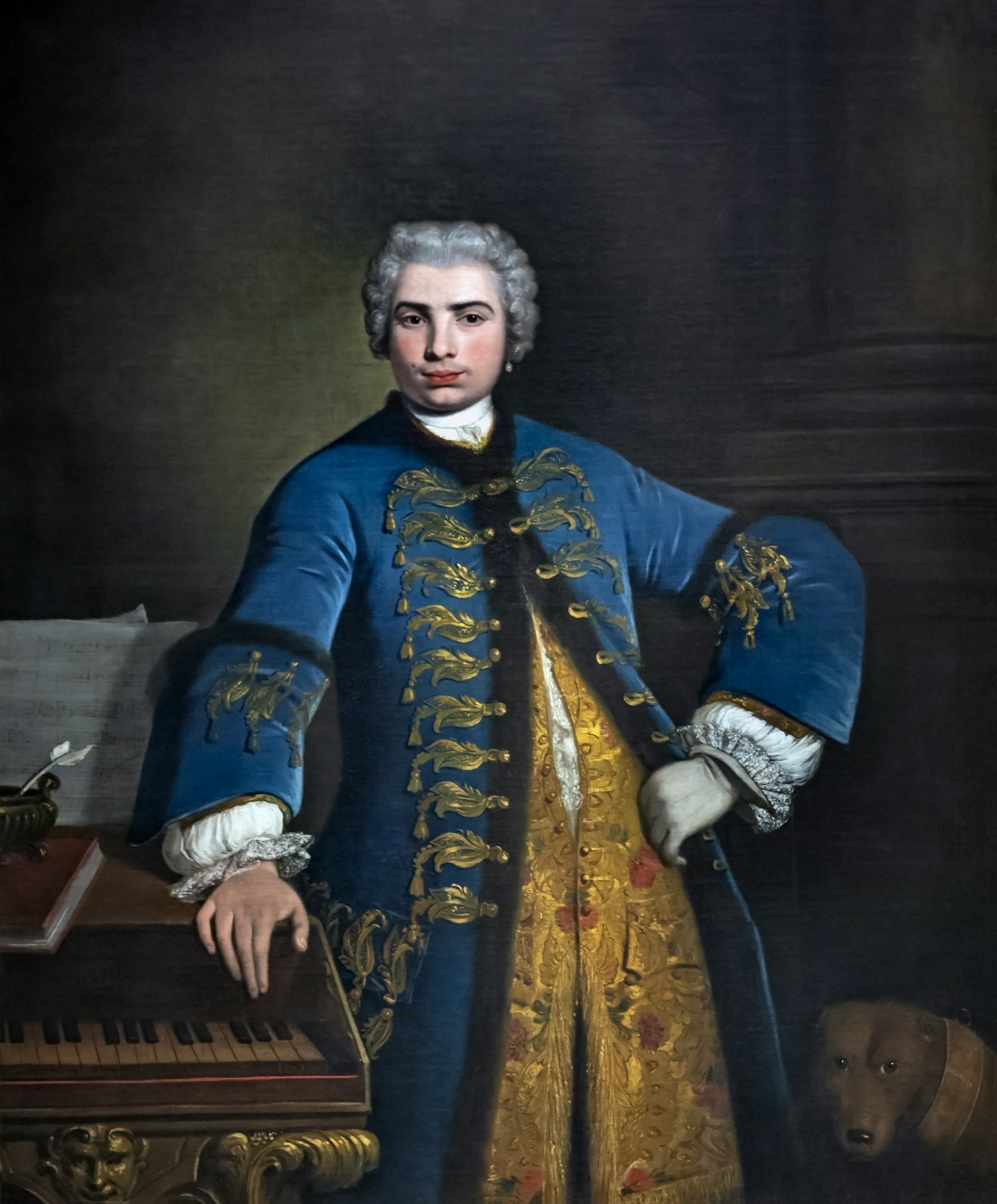

Кристоф Бернхард (1628–1692) дал колоратуре два определения:
- каденция: "runs which are not so exactly bound to the bar, but which often extend two, three or more bars further [and] should be made only at chief closes" (Von der Singe-Kunst, oder Maniera, c. 1649);[6][failed verification] and
- Диминуция: "when an interval is altered through several shorter notes, so that, instead of one long note, a number of shorter ones rush to the next note through all kinds of progressions by step or leap" (Трактат о композиции, c. 1657).[6][failed verification]
The term was never used in the most famous Italian texts on singing: Джулио Каччини's «Новая музыка» (1601/2); «Мнения Пьера Франческо Този's, «Мнения античных и современных песен (1723); Джованни Баттисты Манчини's Pensieri, e riflessioni pratiche sopra il canto figurato (1774); Мануэля Гарсиа's о человеческом голосе» (1841), and «Полный трактат об искусстве пения» (1840–47); nor was it used by the English authors Чарльз Берни (1726–1814) and Генри Фотергилл Чорли (1808–1872), both of whom wrote at length about Italian singing of a period when ornamentation was essential.[6][failed verification]
Modern usage[clarification needed]
This section's factual accuracy may be compromised due to out-of-date information. The reason given is: Section covers 15th-18th centuries—the Gilbert Duprez and the 1830s is a mention of a matter not germane—thus this section only continues the coverage of the History section, omitting nearly all of the last 300 years. (November 2025) |
The term «колоратура» is most commonly applied to the elaborate and florid figuration or ornamentation in классической (late 18th century) and романтической (19th century, specifically бельканто) vocal music. However, early music of the 15th, 16th and 17th centuries, and in particular, музыка барокко, extending up to about 1750, includes a substantial body of music for which coloratura technique is required by vocalists and instrumentalists alike. In the modern musicological sense the term is therefore used to refer to florid music from all periods of music history, both vocal and instrumental.[disputed (for: being discrepant with related content in the article lead, cf. WP:Lead.) – discuss][6][failed verification] For example, in Germany the term колоратура (нем : Koloratur) has been applied to the stereotypical and formulaic ornamentation used in 16th‑century keyboard music written by a group of German organ composers referred to as the "колористы" (нем : Koloristen).[3][disputed (for: being discrepant with related content in the article lead, cf. WP:Lead.) – discuss]
Despite its derivation from Latin colorare ("to color"), the term does not apply to the practice of "coloring" the voice, то есть altering the quality or тембра of the voice for expressive purposes (for example, the technique of voix sombrée used by Жильбером Дюпре in the 1830s).[6][failed verification]
Диапазон голоса
The term is not restricted to describing any one range of voice. All female and male voice types may achieve mastery of coloratura technique. There are coloratura parts for all voice types in different musical жанрах.[4][full citation needed]
Nevertheless, the term «колоратура», when used without further qualification, normally means a колоратурное сопрано. This role, most famously typified by the Queen of the Night in Mozart's Волшебная флейта,[5] has a high range and requires the singer to execute with great facility elaborate ornamentation and embellishment, including running passages, стаккато, and трели. A coloratura soprano has the vocal ability to produce notes above high C (C6) and possesses a тесситуру ranging from Aля4 to A5 or higher (unlike lower sopranos whose tessitura is G4–G5 or lower).[citation needed]
 |
Ричард Миллер выделяет два типа колоратурных голосов сопрано (колоратурный и драматический колоратурный) [9], а также колоратурный голос меццо-сопрано [10], и хотя он не упоминает колоратурный контральто, он приводит упоминание конкретных произведений, требующих колоратурной техники для контральто [10]
Примеры более широких возможностей колоратуры в различных диапазонах голоса включают:[Оригинальное исследование?][dubious – discuss]
- Agitata da due venti ("Agitated by two winds") is a coloratura soprano aria, in Антонио Вивальди 's opera «Гризельда»;[citation needed]
- Mozart's меццо (from Exsultate, jubilate) was written for кастратского сопрано, but may be arranged for and sung by a properly trained контральто, -сопрано, or сопрано;[citation needed]
- Naqui All'Affanno - Non Piu Mesta — колоратурное контральто-рондо из оперы Россини « Золушка» ;
- Осмин, персонаж оперы Моцарта «Похищение из сераля», — это колоратурная партия для басового голоса. [11]
More generally, singers of major roles in Россини, operas must have a secure coloratura technique.[dubious – discuss][citation needed]
См. также
Цитаты
- 1 2 3 4 5 6 7 Ред. OADT (2009) [2003]. "Coloratura". Оксфордский американский словарь и тезаурус (OADT) (2-е изд.). Нью-Йорк, штат Нью-Йорк: Oxford University Press. с. 240. ISBN 9780195384659. Получено 13 ноября 2025 г. col
·o·ra·tur·a /ˌkələrə'to͝orə, ˌkäl-/ ▶ существительное 1. Сложное украшение вокальной мелодии, особенно в опере. 2. Сопрано, владеющая колоратурным пением. – ПРОИСХОЖДЕНИЕ: итальянское, 'coloring'.
- 1 2 3 4 5 6 7 8 Eds. MW (2025). «Колоратурное существительное». Merriam-Webster online (MW, merriam-webster.com) (2nd ed.). Springfield, MA: Enc. Encyclopædia-MW, Inc. p. 240. Retrieved 13 ноября 2025.
coloratura noun / col·or·a·tu·ra ˌkə-lə-rə-ˈtu̇r-ə [alt. 4th syl.] -ˈtyu̇r- / часто атрибутивное / 1 :elaborate embellishment in vocal music / в широком смысле : music with ornate figuration / 2 : a soprano with a light agile voice specializing in coloratura ... Этимология / borrowed from 17th-century Italian, "coloring," from Latin colōrātus, past participle of colōrāre "to COLOR entry 2" + Italian -ura [see the Latin-derived noun suffix] -URE / NOTE: Though conventionally attributed to Italian in German dictionaries since the 17th century, the word apparently first appears in a musical sense in German (as Coloraturen, given as a synonym of Latin Diminutiones "diminutions," in Michael Praetorius, Syntagmatis musici tomus tertius, Wolfenbüttel, 1619, p. 232).
- 1 2 3 4 5 6 Апель (1969).
- 1 2 3 4 5 6 Стейн и Джандер (1992), с. 907.
- 1 2 3 Рандел (1986), с. 180.
- 1 2 3 4 5 6 Jander & Harris (2008).[проверка не пройдена]
- ↑ Guo, Edward W. & IMSLP Staff (November 13, 2025). «Гамлет (Томас, Амбруаз)» (ссылка на партитуру, страница для скачивания и общая информация). Международный проект библиотеки музыкальных партитур (IMSLP.org). Wilmington, DE: Project Petrucci LLC. Retrieved 13 ноября 2025. For the author name, location, and publisher information, see по этой and этой ссылкам.[better source needed]
- ↑ Score,[требуется уточнение][требуется полная цитата] p. 292.
- ↑ Миллер (2000), стр. 7–9.
- 1 2 Миллер (2000), стр. 12 и далее.
- ↑ Cordell, Victor. «Похищение из сераля — Виктор Корделл — Berkshire Fine Arts». berkshirefinearts.com. Retrieved 14 марта 2026.
Список использованной литературы
- Апель, Вилли, ред. (1969). Гарвардский словарь музыки (иллюстрированное, переработанное издание). Кембридж, Массачусетс: Belknap- Harvard University Press. С. 184. ISBN 9780674375017. Получено 13 ноября 2025 г. Колоратура
Coloratura [It.] A rapid passage, run, trill, or similar virtuoso-like material, particularly in vocal melodies of the 18th- and 19th-century operatic arias: aria do coloratura, aria di bravura, Koloraturarie . Известный пример — ария Царицы Ночи в опере Моцарта « Волшебная флейта». The term is also used for the stereotyped ornamentation formulas of the 16th-century keyboard and lute music [see Колористы... G. Koloristen ]. Название, введенное А. Г. Риттером... где «итал.» и «г.» сокращают «итальянский» и «немецкий» соответственно.
Чтобы ознакомиться со статьей в Википедии об этом источнике, см. «Гарвардский словарь музыки».
- Джандер, Оуэн; Харрис, Эллен Т. (16 мая 2008 г.). «Колоратура». Grove Music Online. Заархивировано с оригинала 16 мая 2008 г. Дата обращения: 13 ноября 2025 г.[ Проверка не удалась ]
- Миллер, Ричард (2000). Обучение сопрано . Нью-Йорк, штат Нью-Йорк: Oxford University Press. ISBN 9780195130188.
- Рандел, Дон Майкл, ред. (1986). Новый Гарвардский словарь музыки. Кембридж, Массачусетс: Belknap- Harvard University Press. ISBN 9780674615250.
- Стин, Дж. Б.; Джандер, Оуэн (1992). Сэди, Стэнли (ред.). Новый словарь оперы Гроува. Том 1. Лондон, Англия: Макмиллан. С. 907. ISBN 9781561592289.
Источники
- Участники английской Википедии. «Coloratura». Перевод на русский. CC BY-SA 4.0 (текст и перевод).
Источники иллюстраций
- Nino Machaidze (cropped).jpg · Ralph Daily from Birmingham, United States · CC BY 2.0
- Postscript-viewer-blue.svg · Лицензия файла уточняется (icon)
- Ambox current red.svg · Лицензия файла уточняется
- Question book-new.svg · Лицензия файла уточняется (icon)
- Bartolomeo Nazari - Portrait of Farinelli 1734 - Royal College of Music London.jpg · Bartolomeo Nazari · Общественное достояние
- 2016 Magic Flute Rehearsal • NZ Opera • 060516 • 058 (cropped).jpg · Michael Bradley · CC BY-SA 4.0
- Final cadenza Valse Mad Scene Hamlet (piano-vocal score p292).jpg · Ambroise Thomas · Общественное достояние


